DRY EYE ASSESSMENT
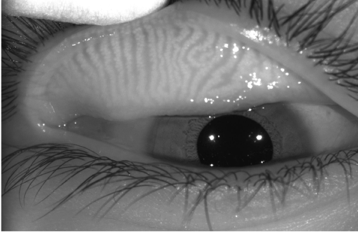
Meibography
A non-invasive imaging test that allows us to evaluate the structure and health of your meibomian glands, which are located along the eyelid margins.
Why it matters:
Meibomian glands produce an oil called meibum, which helps prevent tears from evaporating too quickly and keeps the surface of the eye comfortable and protected. Healthy meibomian glands support a stable tear film, which is important for clear vision and overall eye health. When these glands are not functioning properly, symptoms such as blurry or fluctuating vision, eye irritation, dryness, and discomfort can occur.
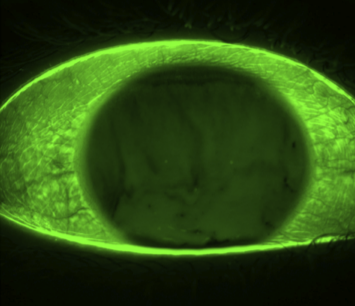
Tear Break-Up Time (TBUT) Analysis
This test measures how long your tear film remains stable on the surface of the eye after blinking.
Why it matters:
A healthy tear film helps keep the eyes comfortable, clear, and protected from environmental irritants and microorganisms. Measuring tear stability helps us better understand the cause of symptoms such as dry eyes, irritation, burning, or fluctuating vision.
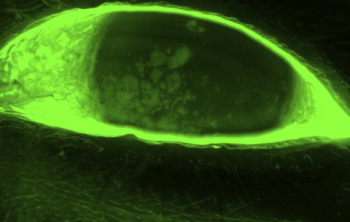
Corneal Fluorescein Imaging
A safe fluorescent dye is placed on the surface of the eye to highlight any areas where the cornea (the clear front surface of the eye) may be damaged or stressed.
Why it matters:
This test allows us to identify areas of dryness, irritation, scratches (abrasions), or the presence of a foreign body on the eye. It provides valuable information about the health and integrity of the corneal surface and helps guide appropriate treatment.
With these evaluations, we can gain a better understanding of the underlying causes of your symptoms and develop a personalized treatment plan tailored to your specific needs. This allows us to recommend the most effective therapies to improve comfort, support eye health, and achieve the best possible outcomes.
Have questions or would like to learn more? Please contact our office. We are here to help you better understand your eye health and discuss treatment options that are right for you.