Glaucoma
Often called “the silent thief of vision,” glaucoma causes slow, progressive damage to the optic nerve, leading to loss of peripheral vision. It usually develops without symptoms, so many people don’t know they have it until it's advanced. Unfortunately, vision loss from glaucoma is permanent.
According to the Canadian Association of Optometrists, glaucoma affects over 450,000 Canadians and is a leading cause of blindness. The most common type is primary open-angle glaucoma, affecting around 250,000 people in Canada.
There is no cure, but early detection through annual eye exams can help manage the condition and slow its progression.
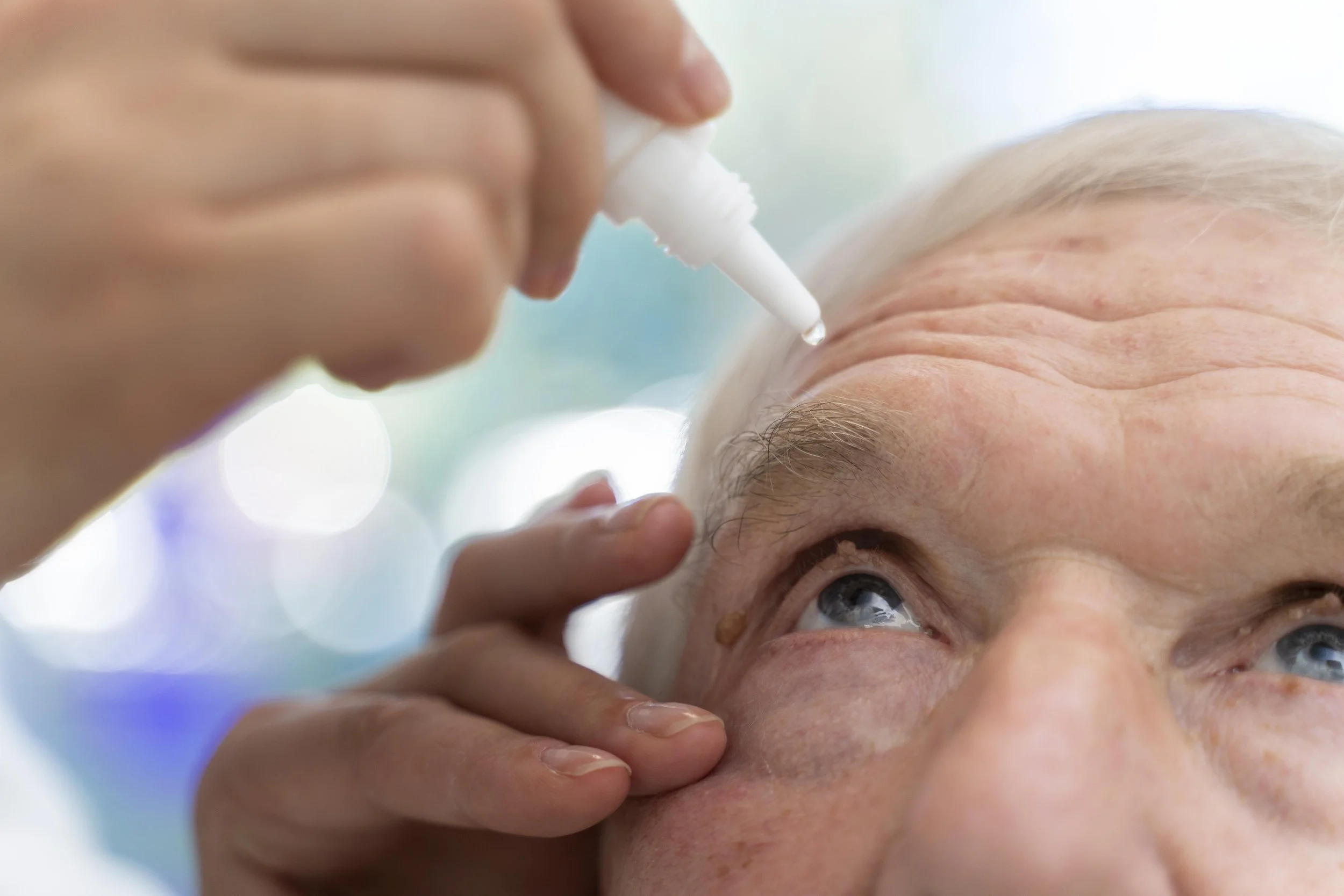
Macular Degeneration (AMD)
Macular degeneration affects your central vision—the part we use for reading, driving, and recognizing faces. It occurs when waste material (called drusen) builds up in the macula, the central part of the retina, causing inflammation and damage.
There are two main types:
Dry AMD: This is the most common type, accounting for 85–90% of cases. It develops slowly as drusen accumulate in the retina. In some cases, dry AMD can progress to the more serious wet form.
Wet AMD: Makes up 10–15% of cases and involves the growth of abnormal, leaky blood vessels in the retina. This form can progress quickly and is treated with anti-VEGF injections to stop further damage.
Risk factors include:
Family history
Smoking
Poor nutrition
Inactivity
Unhealthy weight
While there’s no cure, early detection through regular eye exams, lifestyle changes, and proper treatment can help protect your vision.

Diabetes & Eye Health
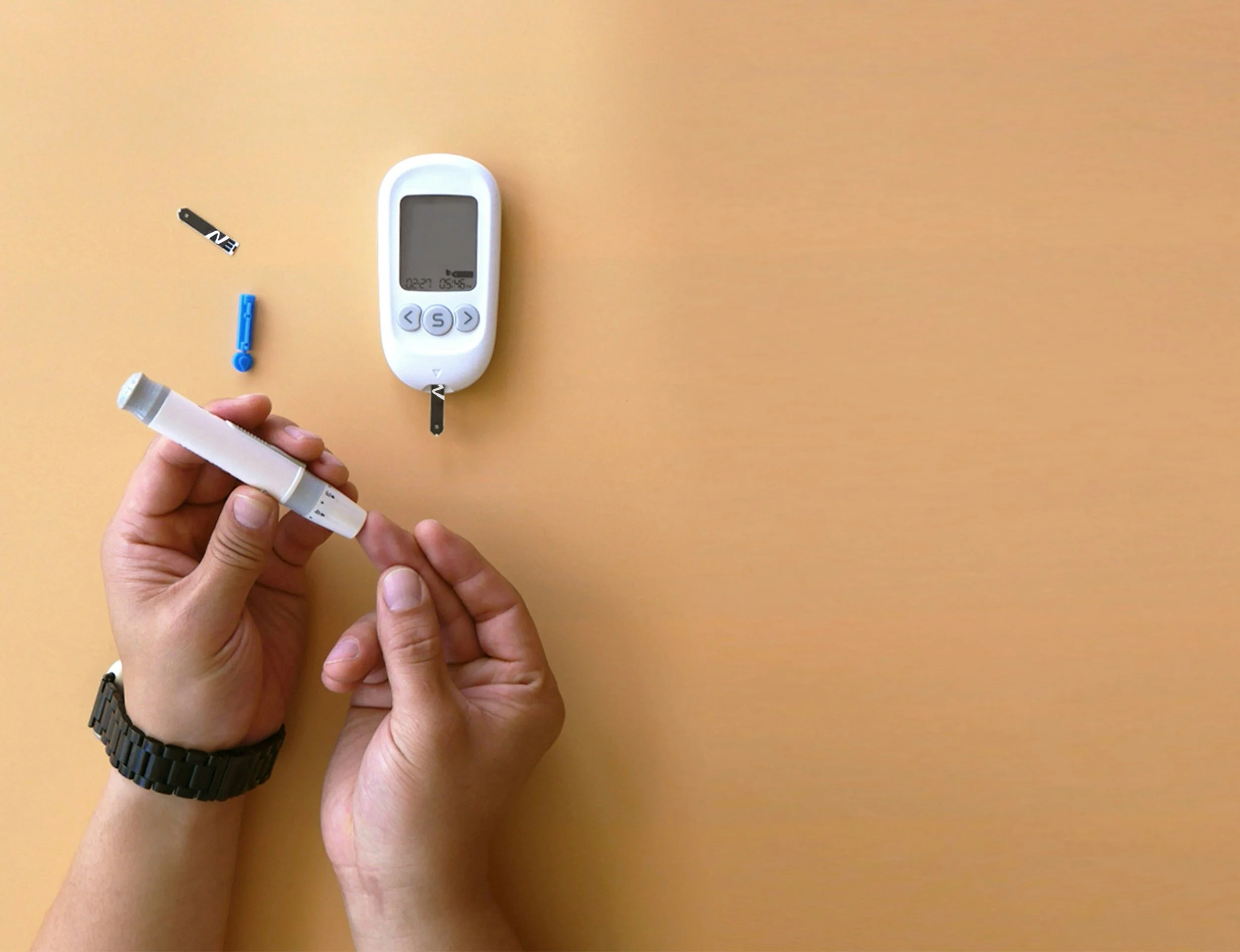
According to Statistics Canada, 1 in 10 Canadians over age 20 has been diagnosed with diabetes. High blood sugar can damage the blood vessels in your eyes, leading to diabetic retinopathy—a condition that may cause vision loss or blindness if not detected early.
As the blood vessels weaken and leak, the body creates new ones. However, these new vessels are fragile and prone to further damage, continuing the cycle.
The good news: If you're diabetic, you’re eligible for a comprehensive eye exam once a year in Ontario. With annual visits and tools like retinal imaging and OCT scans, we can spot changes early and work with you and your doctor to protect your vision through better blood sugar control, diet, and exercise.
This is Why Eye Exams Matter
Sometimes, a routine eye exam is the first clue to a more serious condition—such as diabetes, high blood pressure, multiple sclerosis, or even signs of a stroke.
Your eyes can reveal a lot about your overall health. That’s why regular check-ups are essential—not just for vision, but for your well-being.